
If your social feeds look anything like ours, they've been flooded with surreal, beautiful, and sometimes bizarre animated shorts since Luma AI opened its Dream Machine to the public on June 24, 2026. The tool is powerful, accessible, and has sparked a new wave of creativity. But anyone who has tried to move beyond a single, striking clip to tell an actual story has hit the same wall.
You generate your first scene: a hero walking through a forest. Perfect. Then you prompt the second scene: the hero discovers a cave. Suddenly, they're wearing different clothes, their hair has changed color, and the forest looks like a different planet. The magic is gone. This is the core frustration of single-shot AI video generators: they have no memory. A story isn't one great clip; it's a series of good clips that work together. To tell one, you need more than a better prompt. You need a production workflow.
The AI animated story is taking over TikTok. Here's the problem.
The trending format is simple: a series of short, animated scenes with a voiceover or text overlay telling a story. When it works, it's incredibly compelling. But the production reality is a mess of generating dozens of clips, hoping for a few that match, and stitching them together. The character and style drift is the number one killer of these projects.
Tools like Luma Dream Machine, Pika, and Runway are amazing at generating individual moments. They are not built for sequential narrative. They treat every prompt as a new beginning, which is why your character transforms from one generation to the next. The solution isn't to fight the tool with complex prompt workarounds; it's to adopt a workflow that builds consistency in from the start.
Step 1: From idea to storyboard
Before you generate a single pixel, map out your story. Don't write a full script, just define the key moments. For a 15-30 second TikTok, you only need 3-5 distinct scenes. Thinking in scenes forces you to simplify your narrative and identify the exact shots you need to produce.
For example, a simple story arc could be:
- Scene 1: A lone astronaut stands on a red, dusty planet, looking at a strange, glowing plant.
- Scene 2: The astronaut cautiously touches the plant.
- Scene 3: The plant bursts into a cloud of light, revealing a hidden alien city in the distance.
- Scene 4: The astronaut looks on in awe.
This simple structure gives you a production checklist. If you want to go deeper on this planning stage, we have a complete guide on creating consistent AI storyboards that breaks down the process frame by frame.
Step 2: Create your consistent character and style
This is the most critical step, and it's where a workflow-based tool separates itself from a simple generator. Instead of describing your style in a prompt over and over, you need to define it once in a system that can remember it. In MyUP, this is the Brandkit. It's the visual memory for your project.
Your Brandkit will store the core elements of your story's visual identity: the character's appearance, the color palette, the texture of the animation (e.g., 'claymation', 'anime', 'risograph print'), and even font styles for your text overlays. By building this first, you create a visual anchor that the AI will reference for every subsequent generation.
Start by creating a 'style frame'—a single image that perfectly captures the look and feel of your story. This becomes your master reference. You can use a workflow to generate a variety of style concepts until you find the perfect one.
Workflow code: #myup-msop-hlxf
Retro Zine Style Event Poster
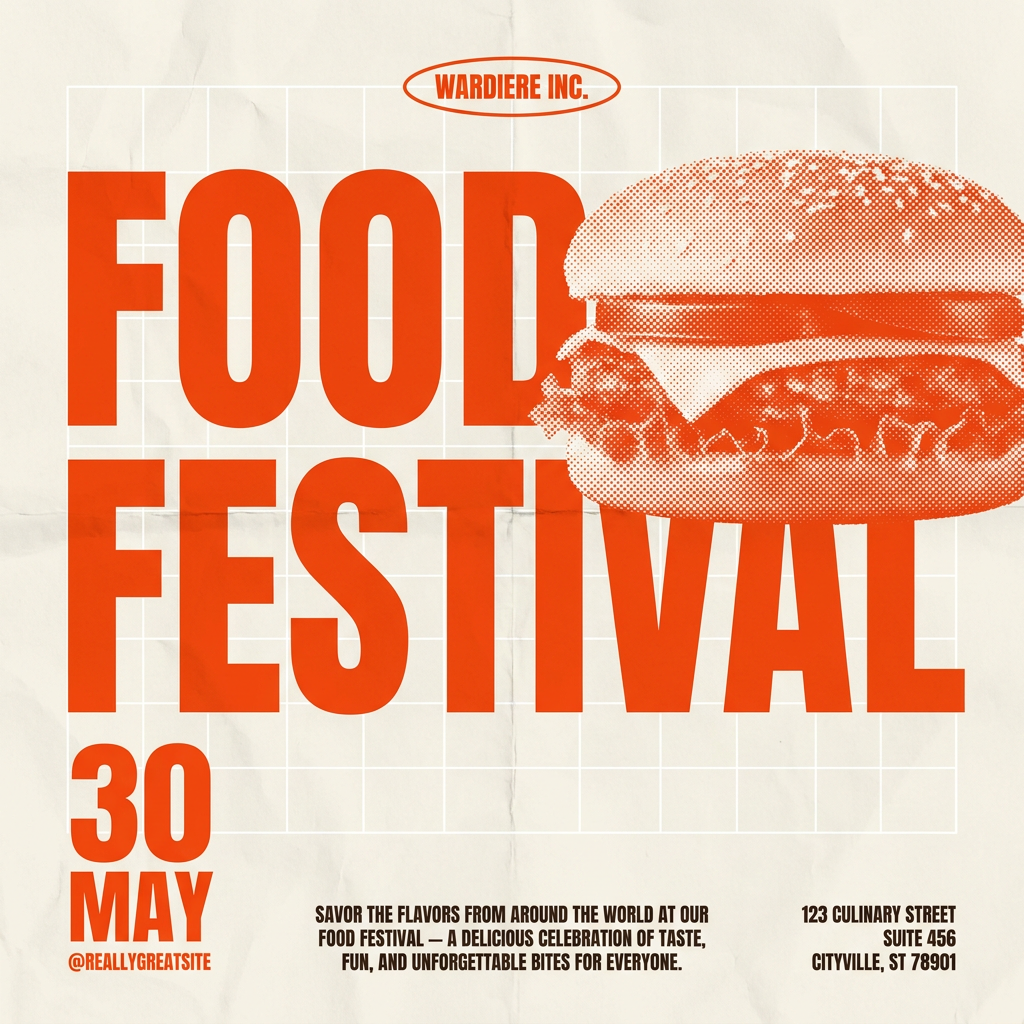
Give your social posts a gritty, analog zine aesthetic. It layers a crumpled paper texture and a subtle grid over a warm cream background to make any event graphic look like a tactile, photocopied flyer. Perfect for DIY gigs and bold promos.
Regenerate using your own assets.
This 'Retro Zine Style' workflow is great for generating a distinct, textured aesthetic that you can then lock into your Brandkit as the foundation for your entire story.
Step 3: Generate the key scenes for your story
Here's the key insight: to get consistent video, you first need to generate consistent *still images*. With your Brandkit established, you can now generate the key frames for each scene from your storyboard. The workflow automatically applies your saved character and style, ensuring the astronaut from Scene 1 looks identical to the astronaut in Scene 4.
Your prompts become much simpler. Instead of a long description of the character and style every time, you just describe the action:
- A lone astronaut in a retro sci-fi suit stands on a red, dusty planet, looking at a strange, glowing plant.
- Close up of the astronaut's gloved hand cautiously touching the glowing plant.
- Wide shot of the plant bursting into a cloud of light, revealing a hidden alien city in the distance.
The MyUP workflow handles the consistency, letting you focus on directing the story. This is the difference between hoping for a good result and being in control of the production. For a deeper dive on this, see our guides on creating consistent characters and the character-locking production workflow. If the retro zine style isn't right for your story, you can try another aesthetic to define your world.
Workflow code: #myup-3xus-3l9x
Vintage Risograph Event Poster
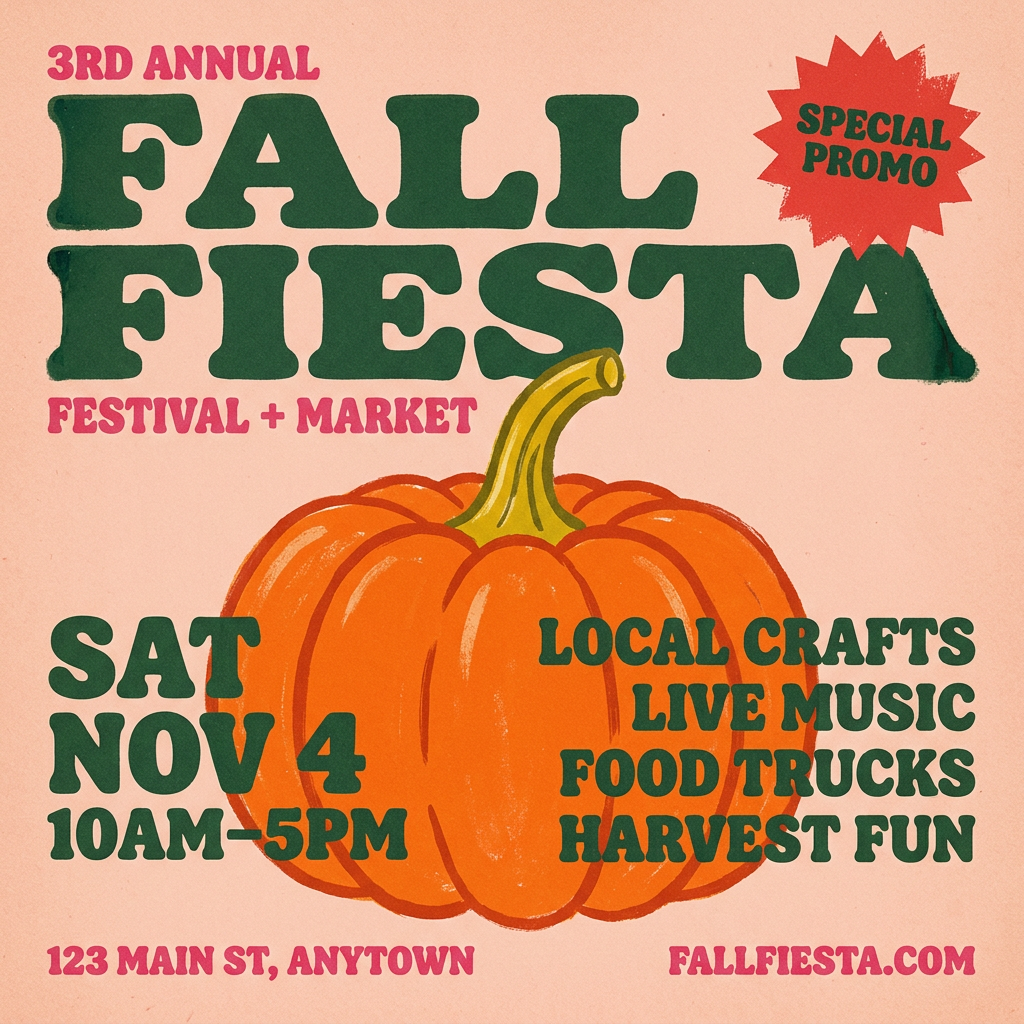
Turn any announcement into a gritty, tactile gig poster. It layers your text with an uneven letterpress ink texture over a dusty, warm pink risograph paper background. It’s perfect for giving social posts a real analog, screenprinted vibe.
Regenerate using your own assets.
This 'Vintage Risograph Event Poster' workflow creates a different but equally strong visual identity you can use as your story's foundation.
Step 4: Animate your scenes and add narration
Once you have your sequence of consistent still images, the final step is to bring them to life. MyUP's video workflow takes your approved frames and stitches them together into a single video file. This isn't just a simple slideshow. You can add subtle motion to each image—a slow zoom-in, a gentle pan across the scene—to create a sense of movement and drama. This is often called the 'Ken Burns effect'.
The workflow also automates the transitions between scenes and lets you overlay text in your brand's font. This is perfect for adding narration, dialogue, or a strong title card to hook the viewer in the first three seconds. A bold, well-designed title or end card makes your video feel more polished and professional.
Workflow code: #myup-n0bi-2wzk
Bold Editorial Grid Poster
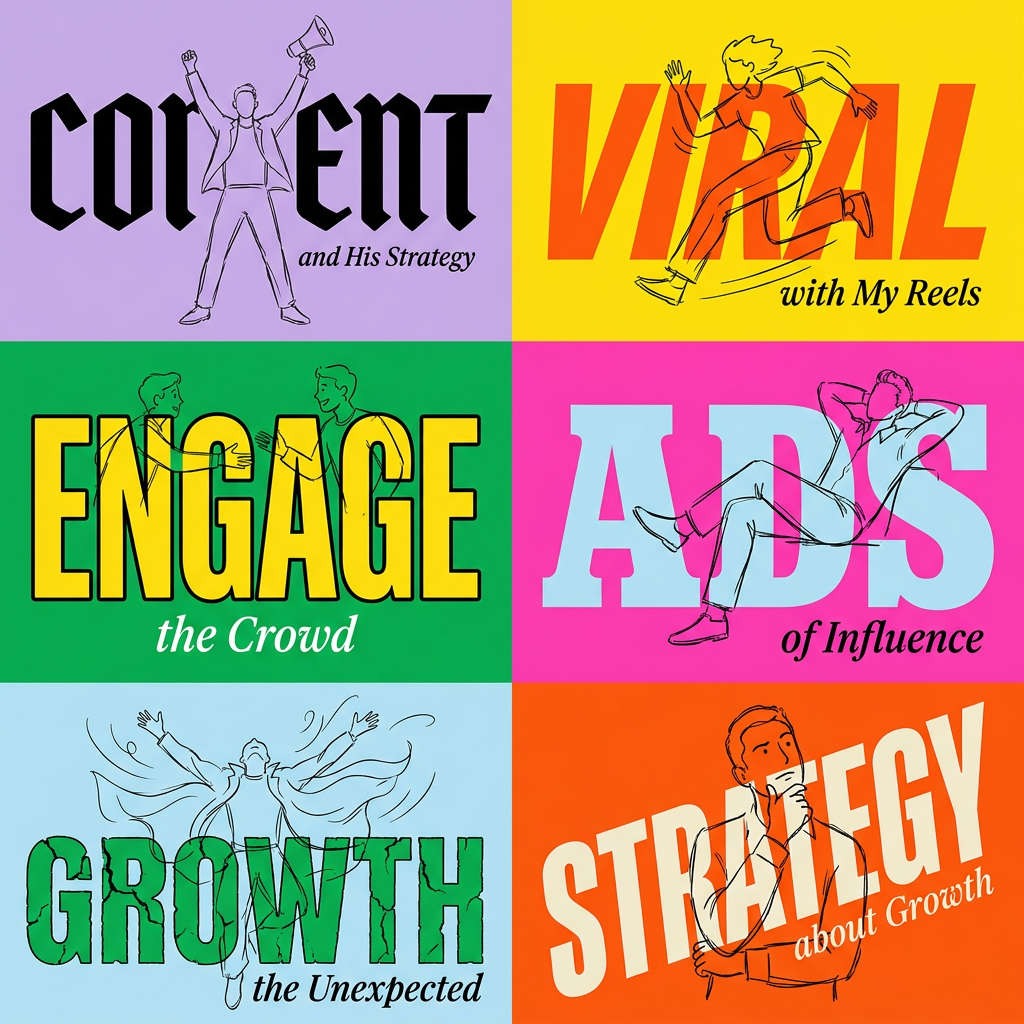
Create striking 2x3 editorial posters with six seamless, flat-color square cards in a perfect 4:5 grid. There are absolutely no gaps between the blocks, giving your content a bold, high-contrast magazine layout. It looks incredibly clean on any social feed.
Regenerate using your own assets.
Use this 'Bold Editorial Grid Poster' workflow to quickly design a striking title card that matches the aesthetic you established in your Brandkit.
Step 5: Finalizing and formatting for TikTok
With your animated story complete, the last few steps are platform-specific. For TikTok, this means ensuring your video is in a 9:16 vertical aspect ratio, which a MyUP workflow can set automatically. Before you upload, use TikTok's native tools to add auto-captions for accessibility and to add trending audio. Even if your video has its own voiceover, layering a popular song at a very low volume (1-5%) can help the algorithm push your content to a wider audience. Check the final output, approve it, and post.
A workflow is the difference between a clip and a story
The new generation of AI video tools is genuinely exciting. They've opened a door for creators to produce visuals that were previously impossible without a team of animators. But these tools are just one piece of the puzzle. They are instruments, not the entire orchestra.
A story requires consistency, and consistency requires memory. By shifting from a single-prompt approach to a production workflow, you move from being a lottery player to being a director. You establish the visual rules in a Brandkit, generate your key scenes with full control, and then animate the final sequence. This is how you move past the novelty of a single clip and start producing narrative content that people will actually want to watch to the end.