The announcement of the Un-0 model on June 25, 2026, immediately created a dilemma for every marketer and creative director: do you stick with the reigning champion of photorealism, Stable Diffusion 3, or switch to the incredibly fast new challenger? One promises unparalleled detail, the other promises game-changing iteration speed. When your job is to produce ad creative that actually performs, which do you choose?
We decided to end the debate. We ran a head-to-head test generating three distinct, commercially-focused ads to see which model delivers better results. The verdict? The model you choose depends on the task, but the workflow you use is what actually determines success.
The test: Setting up our ad campaign in MyUP
A fair comparison requires a level playing field. Running prompts in different tools with different settings introduces too many variables. To isolate the performance of the models themselves, we conducted the entire test inside MyUP.ai.
Here was our methodology:
- One Platform: We used a single MyUP workflow, allowing us to toggle the underlying generation model between Un-0 and Stable Diffusion 3 without changing any other parameters.
- One Brandkit: We created a MyUP Brandkit for a fictional brand, locking in its specific colors, logo style, and visual identity. This ensures that any brand inconsistencies in the output are the fault of the model, not the setup.
- Three Identical Prompts: We crafted three challenging prompts, each designed to test a different aspect of photorealistic ad creation, and ran each one through both models.
This approach lets us compare the raw output and see how each model interprets the same creative brief under the same brand constraints.
Round 1: The sportswear ad — Action, texture, and realism
Our first test was a classic sportswear ad. The goal was to create a dynamic shot of an athlete in motion, focusing on the texture of high-tech fabric and the realism of the human form. This is a tough test of a model's ability to understand anatomy, lighting on complex surfaces, and the physics of movement.
The Prompt:"Photorealistic action shot of a female runner mid-stride on a wet city street at dawn. She wears black compression leggings and a vibrant teal technical shirt. Focus on the texture of the sweat-wicking fabric and the spray of water from her feet. Cinematic, high-contrast lighting."
The Results: Un-0 generated four distinct compositions in under a minute. The overall scenes were excellent, capturing the requested mood perfectly. However, the fabric on the shirt looked slightly flat, lacking that detailed, technical texture. Stable Diffusion 3 took longer to generate but the result was breathtakingly real. It nailed the micro-details: the subtle sheen on the fabric, the realistic muscle tension in the runner's legs, and the way light caught individual water droplets.
Winner: Stable Diffusion 3 for the final hero shot. But Un-0's speed makes it invaluable for exploring different poses and camera angles before committing to a final render.
To create your own professional sportswear ad and test different models, you can use this workflow. MyUP applies your Brandkit automatically to keep every version consistent.
Workflow code: #myup-ywpr-rqz6
Professional Sportswear Ad
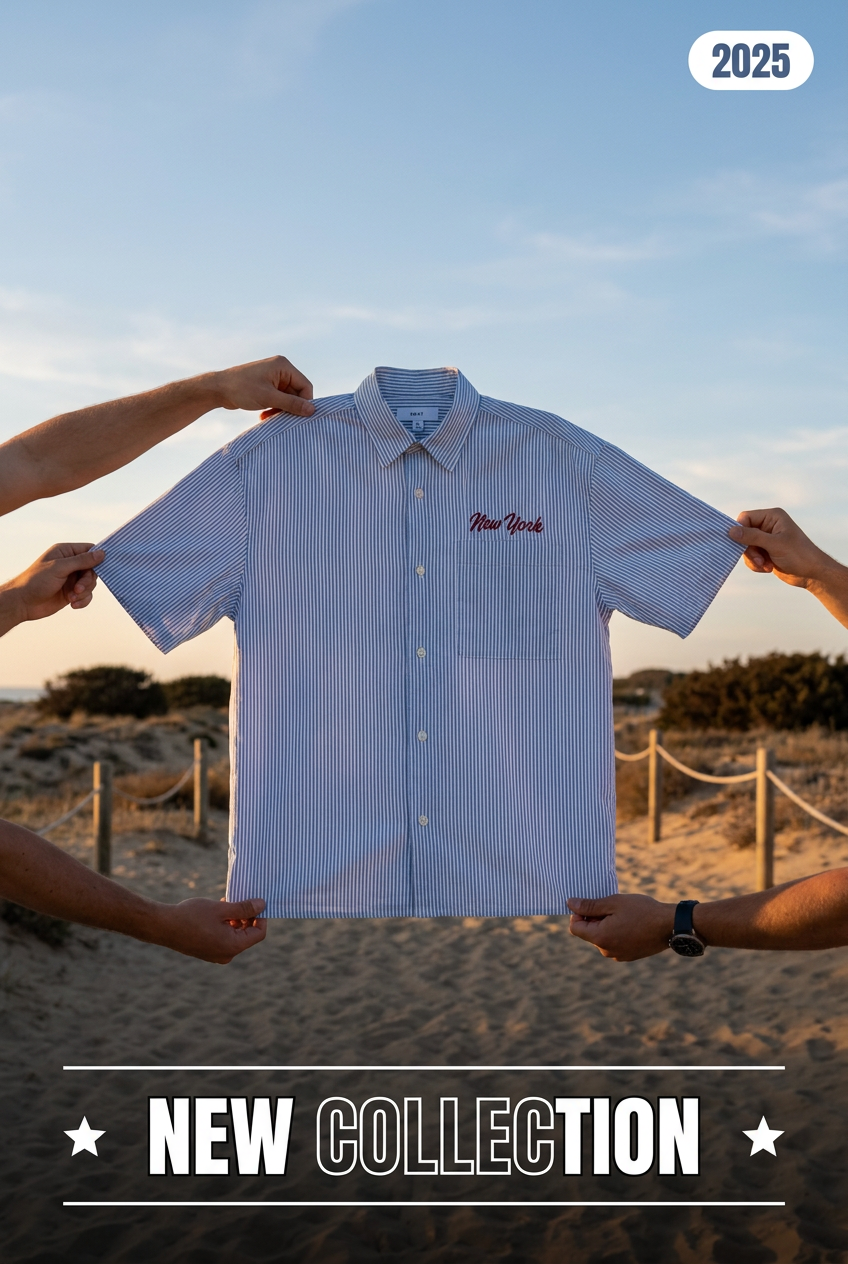
Suspends your apparel right in the center of a high-energy promo shot, held up by hands around the frame. It gives your shirts or jerseys a gritty, collaborative streetwear editorial look that feels alive and physical.
Regenerate using your own assets.
Round 2: The luxury product ad — Subtlety, lighting, and elegance
Next, we tested a minimalist ad for a luxury perfume. This challenge isn't about action, but precision. Success depends on the model's ability to handle subtle lighting, clean reflections on glass, and the elegant use of negative space. Any artifact or imperfection ruins the high-end feel.
The Prompt:"Minimalist studio product shot of a geometric glass perfume bottle on a polished marble surface. Soft, diffused lighting from a single source creates long, elegant shadows. The background is a solid, muted beige. Extreme clarity and focus on the reflections within the glass."
The Results: Again, SD3's strength in detail was clear. The image it produced had flawless reflections and perfectly rendered caustics from the light passing through the glass bottle. It looked like a photo from a high-end magazine. Un-0's results were very good and generated much faster, providing more layout options to choose from. However, a few of the generations had minor, almost imperceptible warping in the reflections—a small flaw that would disqualify it for a luxury brand's final asset.
Winner: Stable Diffusion 3 for its uncompromising quality and refinement.
This kind of elegant, minimalist aesthetic requires precision. The workflow below is designed to generate clean, high-end product shots that you can then test with different models inside MyUP.
Workflow code: #myup-fy77-jljs
Minimalist Elegant Product Advertising Poster
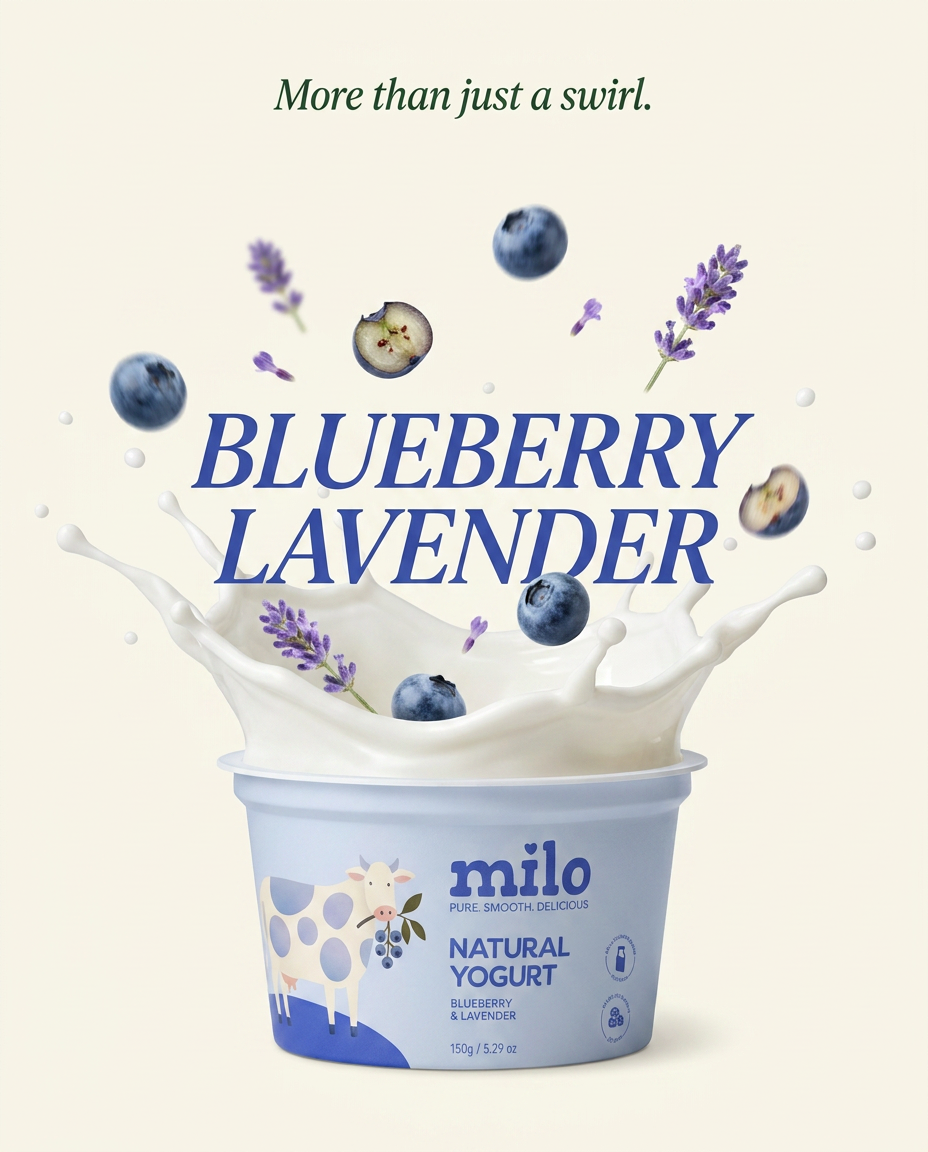
Turn any product shot into a high-end editorial ad. It places your item against a soft cream background with airy spacing and adds elegant, small serif typography at the top. Great for wellness or luxury brands wanting a calm, minimal aesthetic.
Regenerate using your own assets.
Round 3: The beverage ad — Liquids, condensation, and appetite appeal
For the final round, we tackled one of the most difficult subjects in advertising photography: a cold beverage. This tests a model's grasp on transparency, refraction through liquid and ice, and the tiny details like condensation that create appetite appeal.
The Prompt:"Extreme close-up, macro shot of a can of sparkling water, glistening with condensation. Ice cubes and a slice of lime are in a glass next to it. Bright, vibrant commercial lighting. The image should feel cold, refreshing, and crisp."
The Results: This was the closest round. Both models produced fantastic, usable images. Un-0 was incredibly effective at generating a wide variety of compositions with different lighting styles. Stable Diffusion 3, however, had a slight edge in the final rendering of the condensation. Its droplets had more realistic variation in size and shape, which added to the overall sense of refreshment. It’s the kind of detail that separates a good image from a great one.
Winner: Stable Diffusion 3, by a narrow margin, for pure appetite appeal.
Creating a drink ad that looks genuinely refreshing is all about the details. This workflow gives you a starting point for generating compelling beverage ads.
Workflow code: #myup-cqnu-i50m
Drink Product Ad
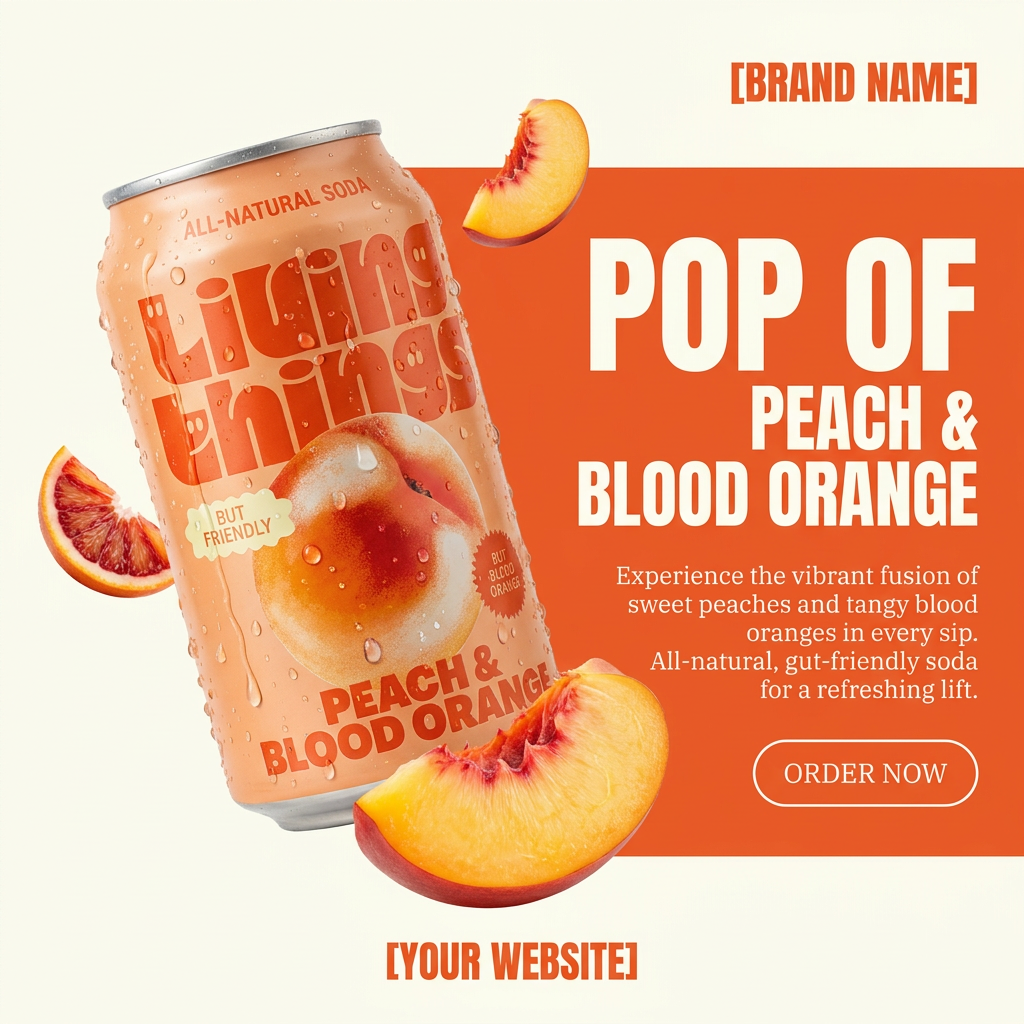
Turn any product photo into a bold, modern ad poster. It automatically frames your item against a split-color background, pairing a clean cream tone with a solid block of your product's dominant color. Super clean, minimal, and ready for social feeds.
Regenerate using your own assets.
The verdict: Why 'speed vs. detail' is the wrong question
After three rounds, a clear pattern emerged. If you're judging on a single, final image, Stable Diffusion 3 is the current champion of photorealism. But if you consider the entire creative process, Un-0's speed is a superpower. Here’s how they stack up:
- Photorealism & Detail: Winner: Stable Diffusion 3
- Generation Speed & Iteration: Winner: Un-0
- Prompt Adherence (Complex Scenes): Winner: Stable Diffusion 3
- Best for A/B Testing Concepts: Winner: Un-0
- Best for Final 'Hero' Shot: Winner: Stable Diffusion 3
Choosing one model means making a painful trade-off. Do you sacrifice quality for speed, or sacrifice speed for quality? This is the wrong question. A modern creative team needs both, and forcing a choice is a trap.
The winning strategy: A model-agnostic workflow in MyUP
The solution isn't to pick a 'better' model. It's to use a platform that lets you leverage the strengths of both. This is where a workflow-based approach in MyUP becomes essential. Instead of being locked into one model, you build a process that uses the right tool for each stage of the campaign.
Here’s what the winning workflow looks like in MyUP:
- Ideation Phase: Set up your ad campaign workflow. Select Un-0 as your generation model. Run your prompt to generate 20 different ad concepts in just a few minutes. This is where you explore wildly different compositions, color schemes, and angles at low cost and high speed.
- Validation Phase: You, the human creative, review the 20 concepts. You pick the two or three strongest compositions that are most likely to perform. This is where your expertise comes in; MyUP handles the production, you provide the judgment.
- Execution Phase: Now, without leaving your MyUP workflow, simply toggle the model to Stable Diffusion 3. Re-run the workflow for only your top two selected concepts.
The result? You get the best of both worlds. You get the massive creative exploration and A/B testing potential of Un-0, and the pixel-perfect, high-fidelity output of SD3 for your final assets. You do this all from a single platform, governed by a single Brandkit, ensuring every asset is perfectly on-brand. This is how you move beyond just generating images and start building a scalable system for producing brand content.