Google's new AI writes the script. But who directs the movie?
On July 4, 2026, Google announced a powerful new feature for NotebookLM: it can now analyze your notes and source documents to generate video scripts and storyboards for platforms like TikTok and YouTube Shorts. It’s an impressive tool for brainstorming and turning raw information into a narrative structure.
But a script is not a video. An idea is not an asset. For any creator, marketer, or brand, the real work begins where NotebookLM stops. You have the text, the scene descriptions, the dialogue. Now you need to produce a visually compelling video that looks and feels like your brand—not like a generic, one-off AI creation. This is the gap between a clever idea generator and a professional production system.
The brand-aware workflow: from NotebookLM script to publish-ready video
Closing that gap requires a repeatable workflow, not just a tool. You need a system that can take any script—whether from NotebookLM or your own notes—and consistently produce on-brand video content. This is precisely what MyUP.ai is built for.
Instead of manually editing each clip to match your brand guidelines, MyUP uses a Brandkit. You set it up once by simply entering your website URL, and MyUP automatically learns your brand's colors, fonts, and logo. From that point on, every piece of content you create inherits your visual identity. The script provides the story; the Brandkit provides the soul.
Step 1: Generate your video scenes in MyUP
The first step in production is turning the text-based scenes from your NotebookLM script into actual video clips. In MyUP, you can use the AI video generator to bring each line to life. Copy a scene description from your script, paste it as a prompt, and generate the visual.
For example, if your script says, “Scene 1: A dynamic shot of an athlete tying their running shoes, sun rising in the background,” you use that as your prompt. MyUP generates the video clip. Repeat this for each scene in your storyboard. To create a high-energy, professional-looking ad from these scenes, a template can provide the right structure and pacing from the start.
Workflow code: #myup-ywpr-rqz6
Professional Sportswear Ad
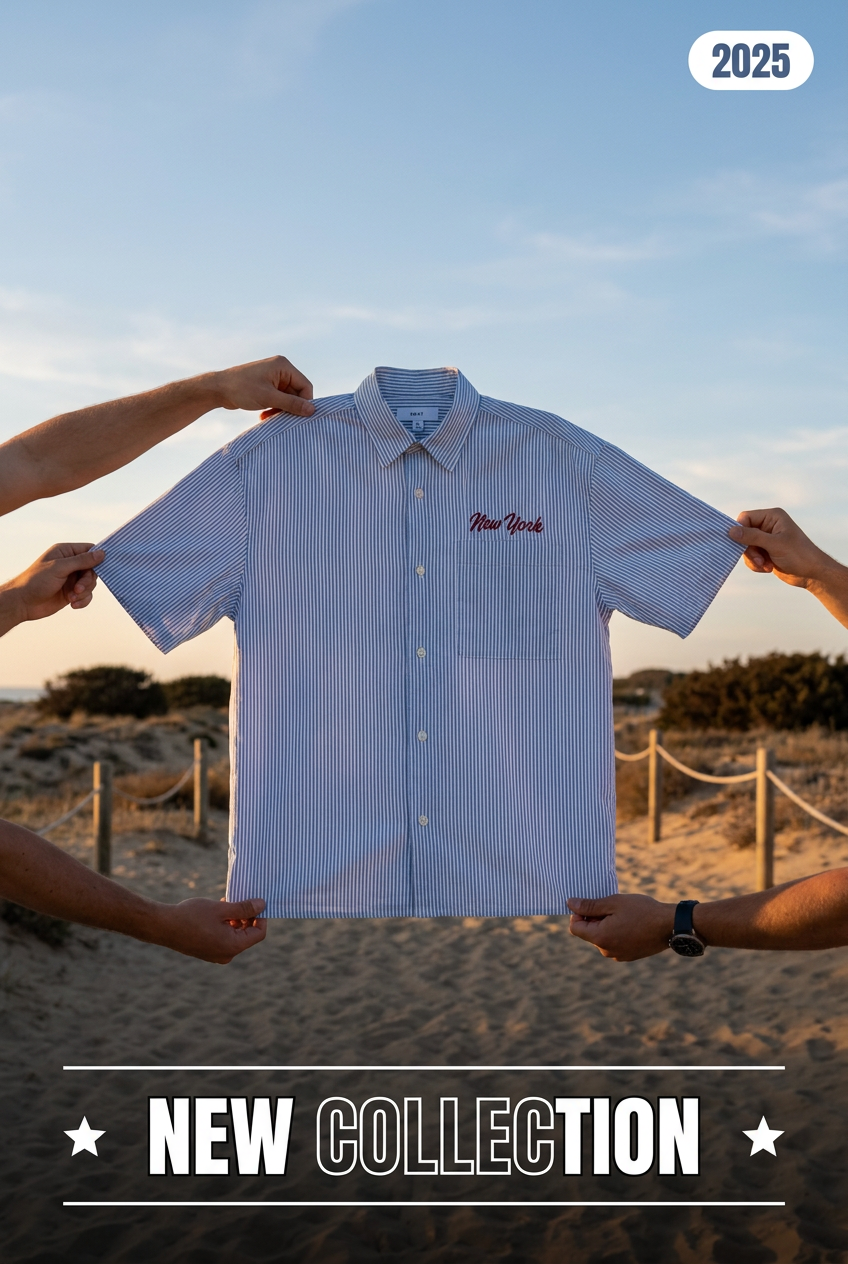
Suspends your apparel right in the center of a high-energy promo shot, held up by hands around the frame. It gives your shirts or jerseys a gritty, collaborative streetwear editorial look that feels alive and physical.
Regenerate using your own assets.
Step 2: Apply your brand automatically with a Brandkit
This is where the production process accelerates and the consistency problem is solved. Once your scenes are generated, your MyUP Brandkit gets to work automatically. You don’t have to do anything.
- Text Overlays: Any text you add will automatically use your brand’s primary and secondary fonts.
- Color Palette: Backgrounds, transitions, and graphic elements will use your brand’s color scheme.
- Logo Placement: Your logo will be applied consistently on end cards or as a watermark, based on your template settings.
This automated step is what separates a professional workflow from a time-consuming creative project. It eliminates the hundreds of tiny, manual decisions that drain time and introduce inconsistency. You focus on the story; MyUP ensures it looks like you.
Step 3: Choose the right format for the job
A single script can serve multiple purposes. The beauty of a workflow system is that you can repurpose the same core idea into different formats without starting from scratch. Your NotebookLM script about new company values could become a dynamic TikTok video, but it could also become a more formal vertical poster for a LinkedIn announcement.
In MyUP, you can take your generated scenes and apply them to different templates. The Brandkit ensures the visual identity remains consistent, while the template re-formats the content for a new channel and objective. For instance, a hiring announcement requires a different tone and layout than a product ad, even if some core visual ideas overlap.
Workflow code: #myup-eiob-7tbc
Modern Hiring Poster
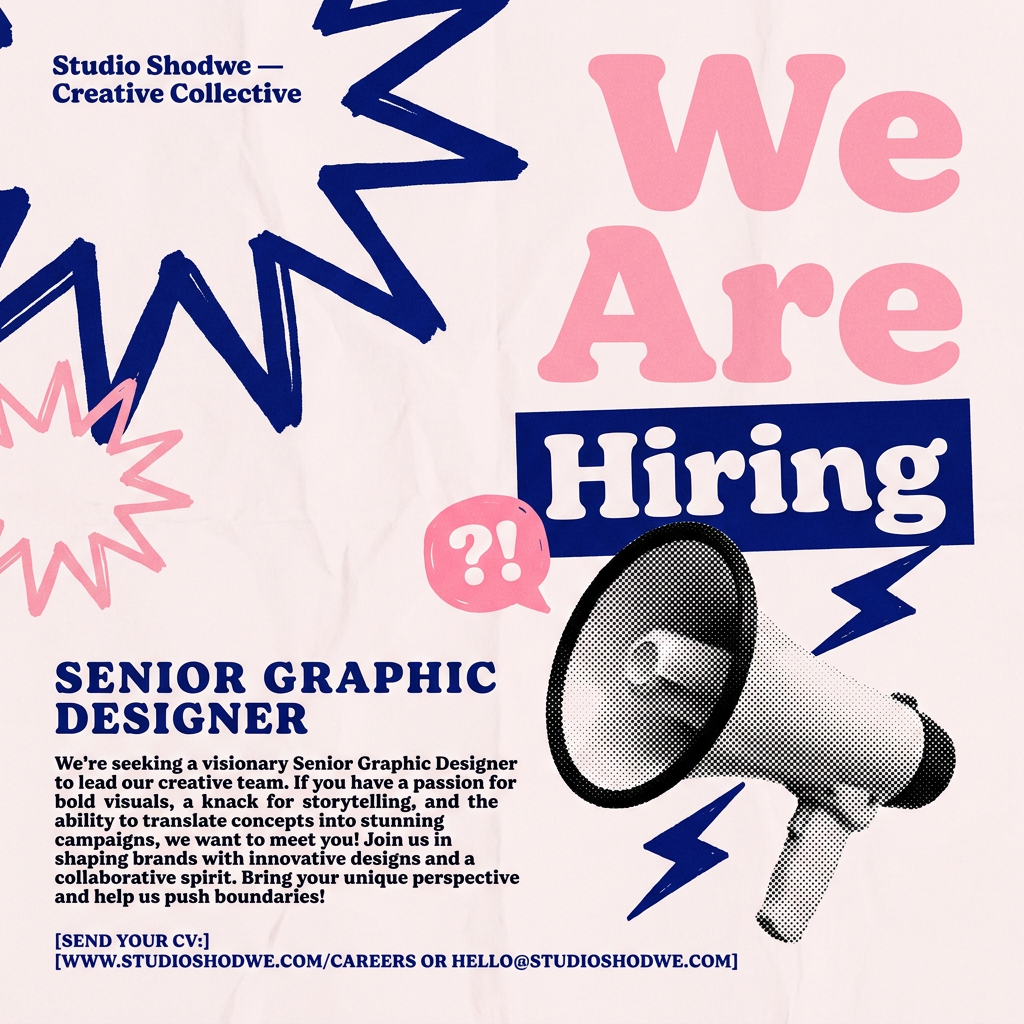
Turn your open roles into stylish social announcements. It sets your hiring details against a soft, textured paper background with clean, editorial typography. Perfect for giving your brand a polished, modern look when you're looking to hire.
Regenerate using your own assets.
You're the director: how to refine and control the final cut
Automation doesn't mean you lose creative control. In the MyUP workflow, the AI executes the heavy lifting of production, but you remain the director. You validate the output. If a generated scene doesn't quite match the vision in your head, you can refine the prompt and regenerate it. You approve the final sequence, adjust the timing, and make the crucial creative decisions.
This is especially critical for content where visual appeal is everything, like food and beverage marketing. An AI might generate a technically correct image of french fries, but you are the one to validate whether it looks truly delicious and aligns with your brand's aesthetic. MyUP handles the production; you provide the taste.
Workflow code: #myup-fts6-4ihp
Vertical Gourmet French Fry Ad
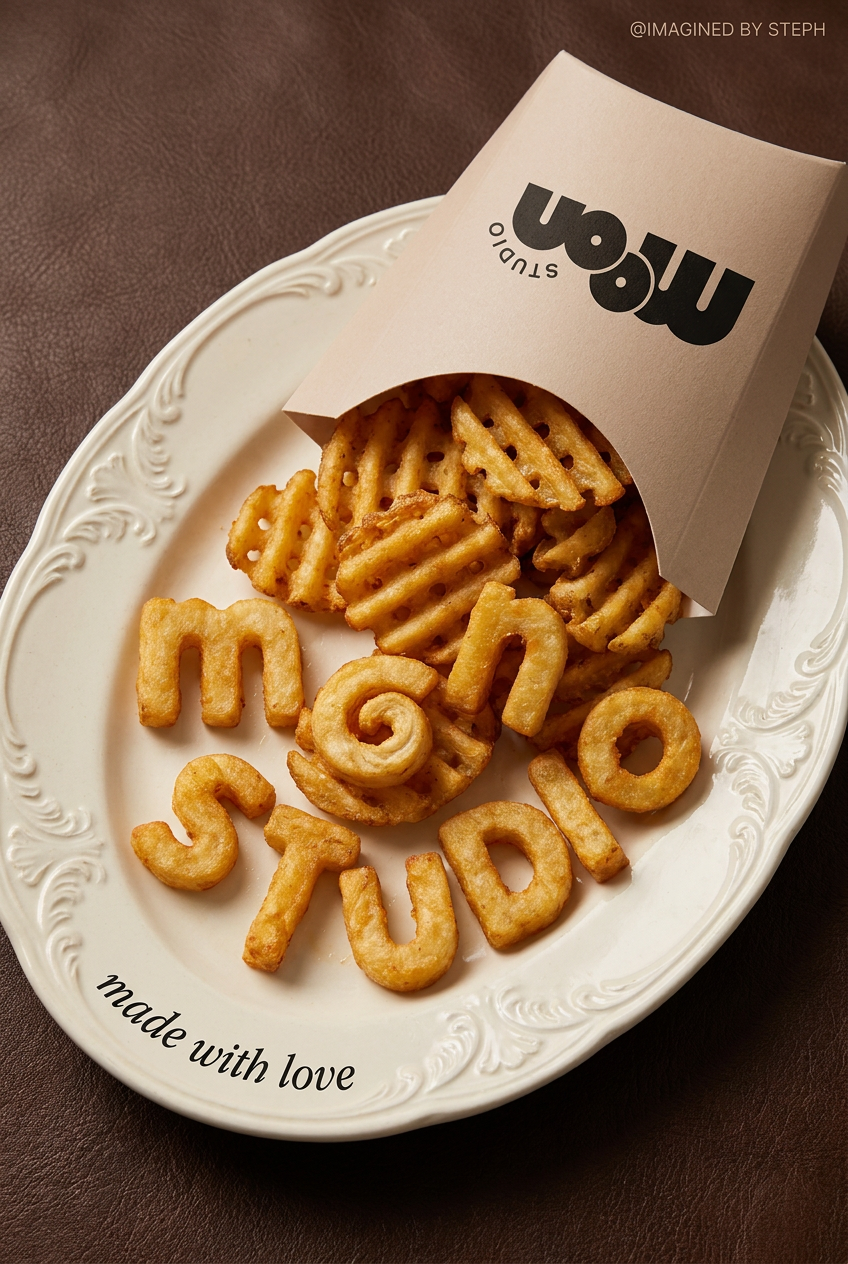
Transform your products into high-fashion editorial ads. This setup uses a dynamic diagonal layout and a slightly tilted overhead angle to give food and packaging incredible depth and texture. It's perfect for giving any brand a chic, premium look.
Regenerate using your own assets.
NotebookLM is the idea. MyUP is the production engine.
Tools like Google's NotebookLM are fantastic for overcoming the 'blank page' problem. They can structure your thoughts and give you a solid starting point. But for brands and creators who need to publish content consistently, the starting point is not enough. You need a production engine.
A true workflow takes an idea and turns it into a finished, on-brand asset, then lets you do it again tomorrow, faster. That’s the role MyUP.ai plays. It’s the factory floor connected to your creative department, ensuring every idea that comes in leaves as a high-quality, brand-consistent piece of content ready for the world. Take your first script from NotebookLM, set up your Brandkit in MyUP, and see the difference a real production system makes.