You’ve seen the viral hacks. As of July 2026, social feeds are full of creators chaining together five different AI tools to turn a blog post into a video. It’s a compelling trick, but anyone who’s tried it for their brand knows the frustrating reality: you spend more time juggling tabs and fixing inconsistencies than creating. The output is a Frankenstein's monster of clashing styles, off-brand fonts, and generic stock clips. It looks like AI made it, and not in a good way.
Repurposing content isn't about hitting 'summarize' and hoping for the best. It's about translating a story from one medium to another while preserving its brand identity. This requires a professional workflow, not a collection of hacks. Here’s how to do it right in a single, integrated platform.
Why simple 'article-to-video' summarizers fail your brand
The core problem with most AI article-to-video tools is that they are built for summarization, not storytelling. They scrape text, grab keywords, and match them with random, unbranded video clips. The result strips your article of its narrative structure, tone, and—most importantly—its visual identity. Your carefully crafted argument becomes a disjointed slideshow.
A professional workflow puts you in the director's chair. You decide the narrative arc, select the key moments, and ensure every single frame aligns with your brand. The AI's job is execution, not direction. This is the fundamental difference between creating a generic summary and producing a branded asset. Don't settle for a summary when you can make a statement.
Step 1: Deconstruct your article into a storyboard
Before you generate a single image or clip, you need a plan. A professional video workflow begins with deconstructing the source article into a storyboard. This isn't just about grabbing sentences; it's about identifying the narrative beats that will translate best to a visual, short-form format.
On MyUP.ai, you can start by simply providing the article's URL. The platform won't just spit back a summary. It helps you extract the most valuable components for your video script:
- Key Quotes: The most powerful, concise statements that capture the article's core message.
- Data Points & Statistics: Numbers that can be turned into impactful visual graphics.
- Core Arguments: The one-sentence takeaway from each major section.
By extracting these elements, you're not creating a summary; you're building a scene list. This storyboard becomes the blueprint for your video, giving you full control over the story you want to tell. The user validates the key points; MyUP prepares the structure.
Step 2: Produce on-brand visual assets for each scene
With your storyboard ready, it's time to create the visual assets for each scene. This is where a Brandkit becomes non-negotiable. Your Brandkit on MyUP stores your brand's colors, fonts, and logo, ensuring that every asset the AI generates is automatically on-brand.
For scenes built around a key quote or a powerful statement, a static text-based visual is often more effective than a video clip. It focuses the viewer's attention without distraction. In MyUP, you can generate these visuals in seconds. You provide the text from your storyboard, and the platform applies your brand's typography and color palette to a clean, professional layout. There's no need to open a separate design tool to fix fonts or colors.
To create a clean, impactful quote card for your video, a simple workflow can generate it instantly, pulling directly from your Brandkit.
Workflow code: #myup-k4td-9k6z
Minimalist Poster
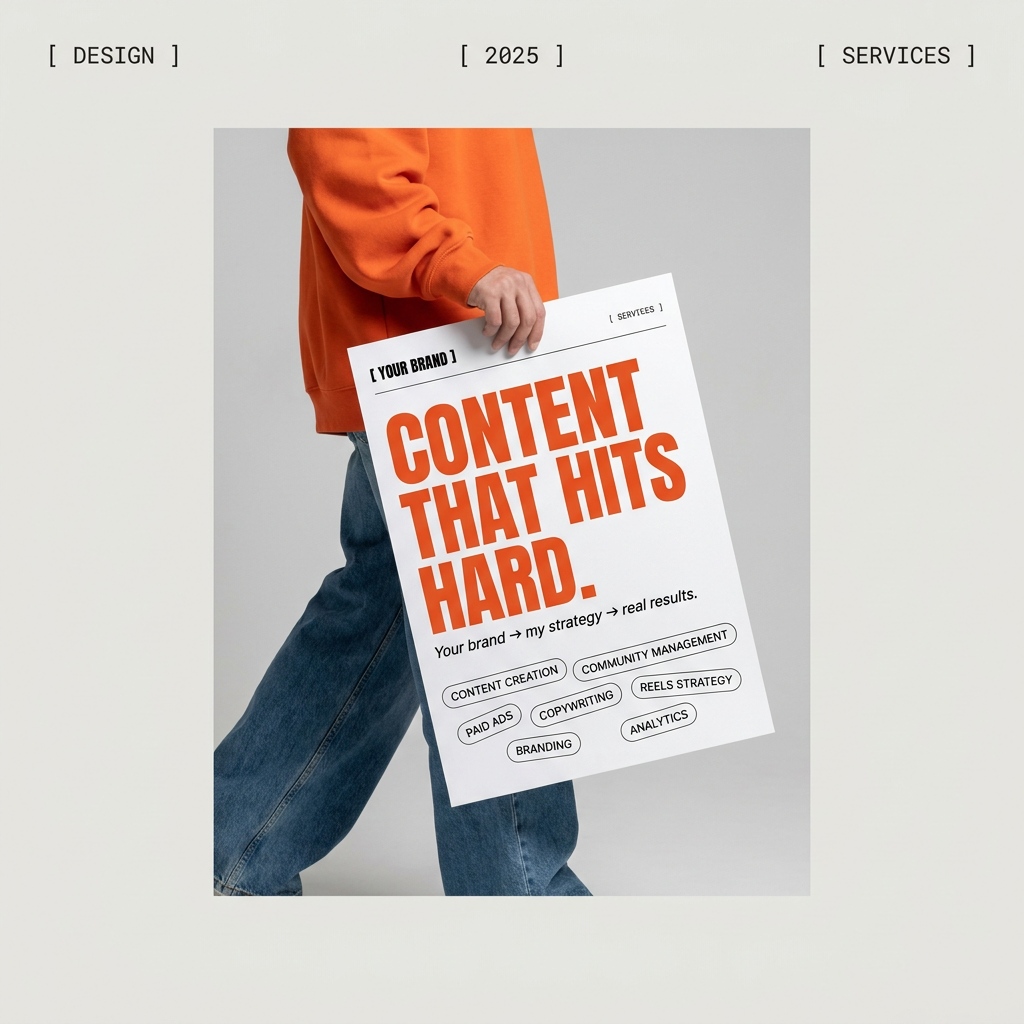
Give your social feed a clean, gallery-like aesthetic. This layout frames your images with structured mono typography and soft, neutral backgrounds for a high-end editorial look. It's perfect for minimal product launches or brand announcements.
Regenerate using your own assets.
Step 3: Create dynamic scenes with AI-generated video
For more conceptual points in your storyboard, short, AI-generated video clips can add dynamic energy. The challenge has always been making these clips feel like they belong to your brand instead of looking like generic AI B-roll. Recent advancements have made it possible to generate longer, more temporally consistent clips, but style is still a problem.
This is another area where the MyUP workflow provides critical control. By referencing your Brandkit's visual style, MyUP can generate video clips that share a consistent aesthetic, color palette, and mood with your static assets. Instead of prompting for a 'futuristic animation,' you can prompt for a scene rendered in your brand's specific visual language. This creates a cohesive video where every scene, whether static or dynamic, feels like part of the same story.
For a more visually complex scene, like illustrating a key concept in a grid, you can use a workflow to generate a graphic that fits your storyboard. MyUP ensures the colors and typography align with your other assets.
Workflow code: #myup-n0bi-2wzk
Bold Editorial Grid Poster
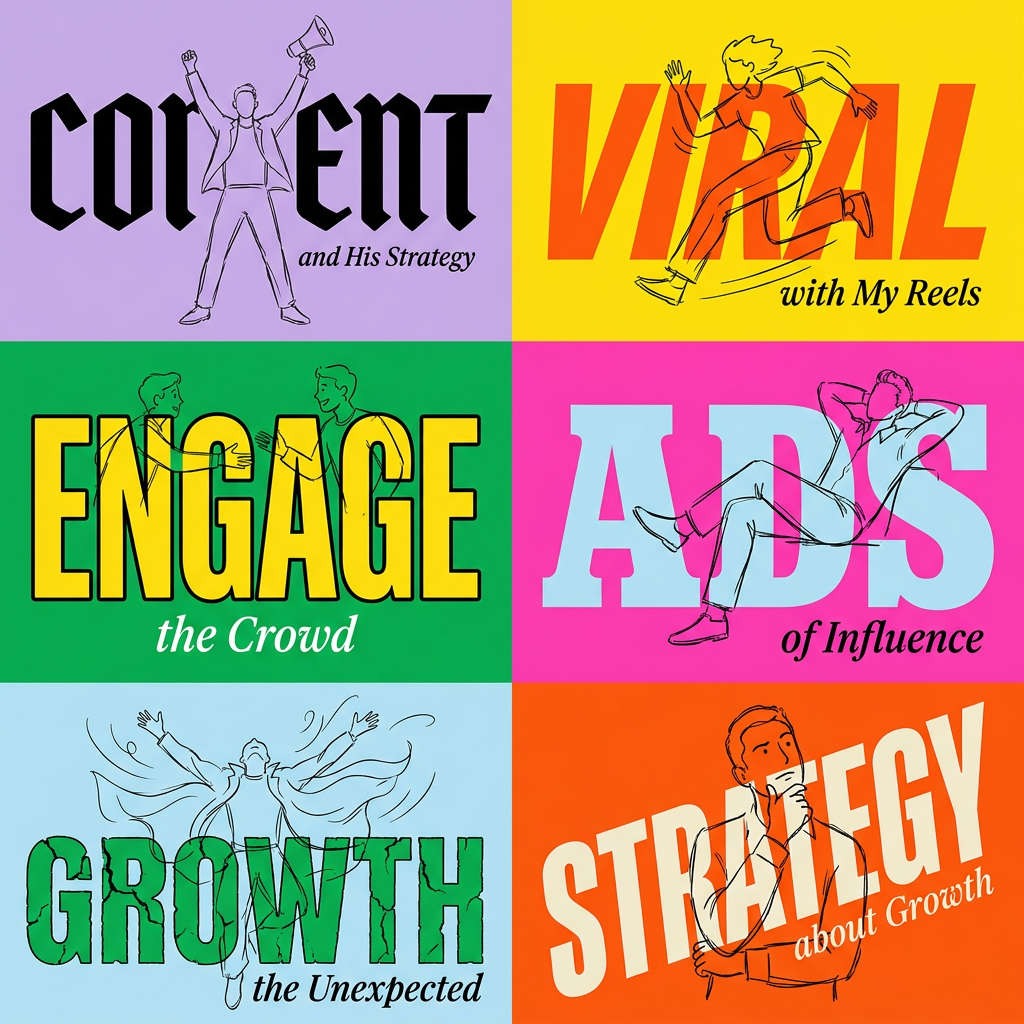
Create striking 2x3 editorial posters with six seamless, flat-color square cards in a perfect 4:5 grid. There are absolutely no gaps between the blocks, giving your content a bold, high-contrast magazine layout. It looks incredibly clean on any social feed.
Regenerate using your own assets.
Step 4: Assemble, time, and finalize your video
The final step is assembly. MyUP's workflow brings all your generated assets—the quote cards, data visuals, and video clips—into a single timeline. Here, you can arrange your scenes according to your storyboard, trim clips, and set the timing for a compelling pace.
This is also where you add the finishing touches that mark the content as professionally produced. You can overlay text on video clips, ensuring the font and color are pulled from your Brandkit for consistency. Most importantly, you can create a branded end-card. A strong call to action or simply your logo on a clean background provides a polished finish and reinforces brand recall.
Every video needs a strong closing. Instead of a generic fade-to-black, create a branded end-card with your logo and a call to action. A simple workflow can produce this consistently for every video you make.
Workflow code: #myup-eiob-7tbc
Modern Hiring Poster
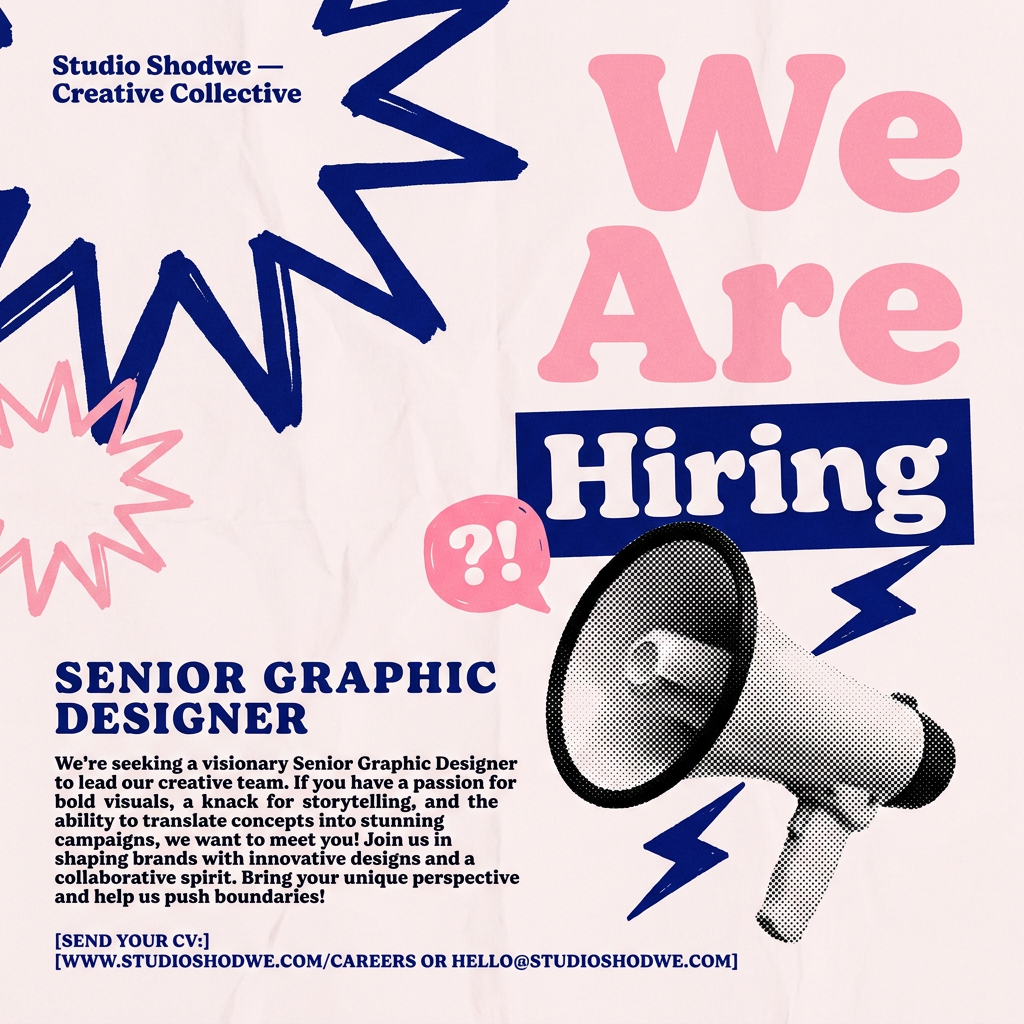
Turn your open roles into stylish social announcements. It sets your hiring details against a soft, textured paper background with clean, editorial typography. Perfect for giving your brand a polished, modern look when you're looking to hire.
Regenerate using your own assets.
The result: A repeatable system, not a one-off trick
Following this process does more than create a single, on-brand video. It establishes a scalable system for content repurposing. Once your Brandkit is set up in MyUP, you can run this workflow for every article you publish, turning your long-form content into a consistent stream of high-quality social videos.
This is the difference between being a tool-juggler and a content director. You focus on the story and the strategy; MyUP handles the production, ensuring every output is a perfect reflection of your brand. Instead of wondering if AI-generated video is right for you, it's time to explore the workflow that makes it professional. For more on creating on-brand video from text, see our guide on a workflow for on-brand text-to-video.
Ready to stop hacking and start producing? Create an account on MyUP.ai and turn your first article into a video today.