
The race for AI ad variations is on (but everyone is missing the point)
Yesterday, July 2nd, 2026, was a big day for AI ad creation. Stability AI dropped 'AdGen' for SD3 and Adobe rolled out 'Batch Variations' for Firefly. Both promise the same thing: a firehose of ad creatives from a single product image. The search trends for 'AI ad creative testing' are predictably through the roof.
This is the moment performance marketers have been waiting for—the end of creative bottlenecks. Or is it? Flooding your ad manager with hundreds of random AI images isn't a strategy; it's a recipe for noisy data and brand dilution. The real challenge isn't generating more ads. It's generating a matrix of *structured, on-brand variations* that lets you learn what actually drives conversions.
More ads isn't the goal. More learning is. The new tools from Adobe and Stability are powerful generators, but a generator is not a production system. To get results, you need a workflow.
Why random variations kill your ad performance
Scroll through X or Reddit and you'll see the pain points. Viral threads showcase incredibly complex ComfyUI node maps to keep a product consistent. The results are impressive, but the process is a technical nightmare inaccessible to 99% of marketing teams. The alternative—using simple one-shot generators—creates a different problem.
When every variation has a different style, lighting, and composition, you can't isolate variables. Did the ad with the marble background outperform the one with the wooden background? Or was it the slightly different camera angle? Or the warped logo in the corner? You don't know. Your A/B test is polluted from the start. You're just pulling the lever on a creative slot machine and hoping for a jackpot.
Effective creative testing requires discipline. You need to control the constants (your product, your brand) while systematically changing the variables (background, props, copy). This is where a workflow-based platform like MyUP provides the structure that generators alone lack.
The 4-step workflow for a structured ad creative test
Instead of generating a folder of disconnected images, this workflow turns MyUP into a systematic testing engine. It's designed to produce a clean, comparable set of ad creatives, all locked to your brand identity, so you can get clear data on what resonates with your audience.
Step 1: Lock your product and brand identity
Every great test starts with a control. In ad creation, your product and your brand are the control. Before you generate a single variation, these elements must be locked in. This is the foundational step that most batch generators treat as an afterthought.
In MyUP, this is simple. You start by uploading a clean, high-resolution photo of your product—ideally on a neutral background. This becomes the unchanging anchor for every variation. Then, you apply your Brandkit. MyUP builds this once from your website URL, capturing your exact brand colors, fonts, and logo. From this point on, every asset the workflow generates will automatically be on-brand. No more slightly-off shades of blue or almost-right typography. This solves the consistency problem before it starts, giving you a reliable baseline for every creative you produce. If you need a complete process for this initial setup, our guide on the AI product photography workflow covers it from start to finish.
Step 2: Build your testing matrix (backgrounds, props, copy)
With your brand and product locked, you can now define the variables you want to test. This is where your marketing strategy comes in. What hypotheses do you want to validate? For a new skincare product, you might want to test:
- Backgrounds: A clinical white lab setting vs. a warm, spa-like bathroom vs. a flat, vibrant color from your brand palette.
- Props: With fresh botanicals (e.g., aloe vera) vs. with scientific glassware vs. standing alone.
- Lighting: Bright, direct studio light vs. soft, morning window light.
In MyUP, you build this matrix directly into the workflow. You can provide a list of backgrounds, props, and even headline variations. The platform will then generate a creative for each possible combination. For a clean, modern look that's easy to adapt, a versatile template is the best place to start.
Workflow code: #myup-zpby-tzie
Minimal Vibrant Product Advertising Poster
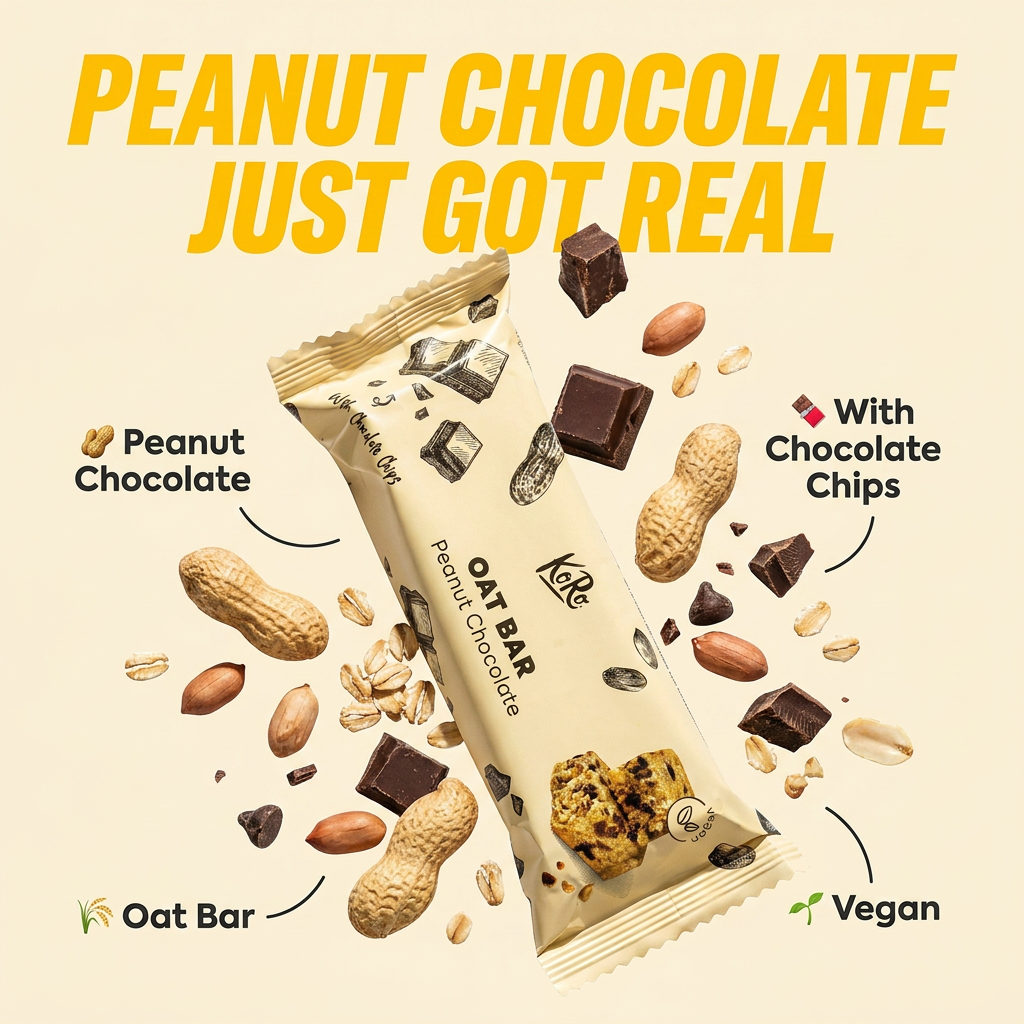
Drop in any product shot and watch it turn into a bold, high-energy square ad. It automatically reads your packaging to pull out the dominant colors and text, then builds a vibrant poster styled perfectly around your brand.
Regenerate using your own assets.
Step 3: Automate production for different product types
Once the matrix is defined, MyUP executes the production run. It systematically works through your variables, generating the full grid of ad creatives. The key here is that the workflow can be tailored to the specific aesthetic of your product category.
An ad for a rugged piece of sportswear needs a different energy than one for a craft beverage. Instead of using a one-size-fits-all approach, you can run the same testing methodology through different MyUP templates to match the product's vibe. For instance, you can use a workflow designed for dynamic action shots or one built for refreshing, crisp visuals.
For a sports brand, start with a template that understands motion and performance aesthetics.
Workflow code: #myup-ywpr-rqz6
Professional Sportswear Ad
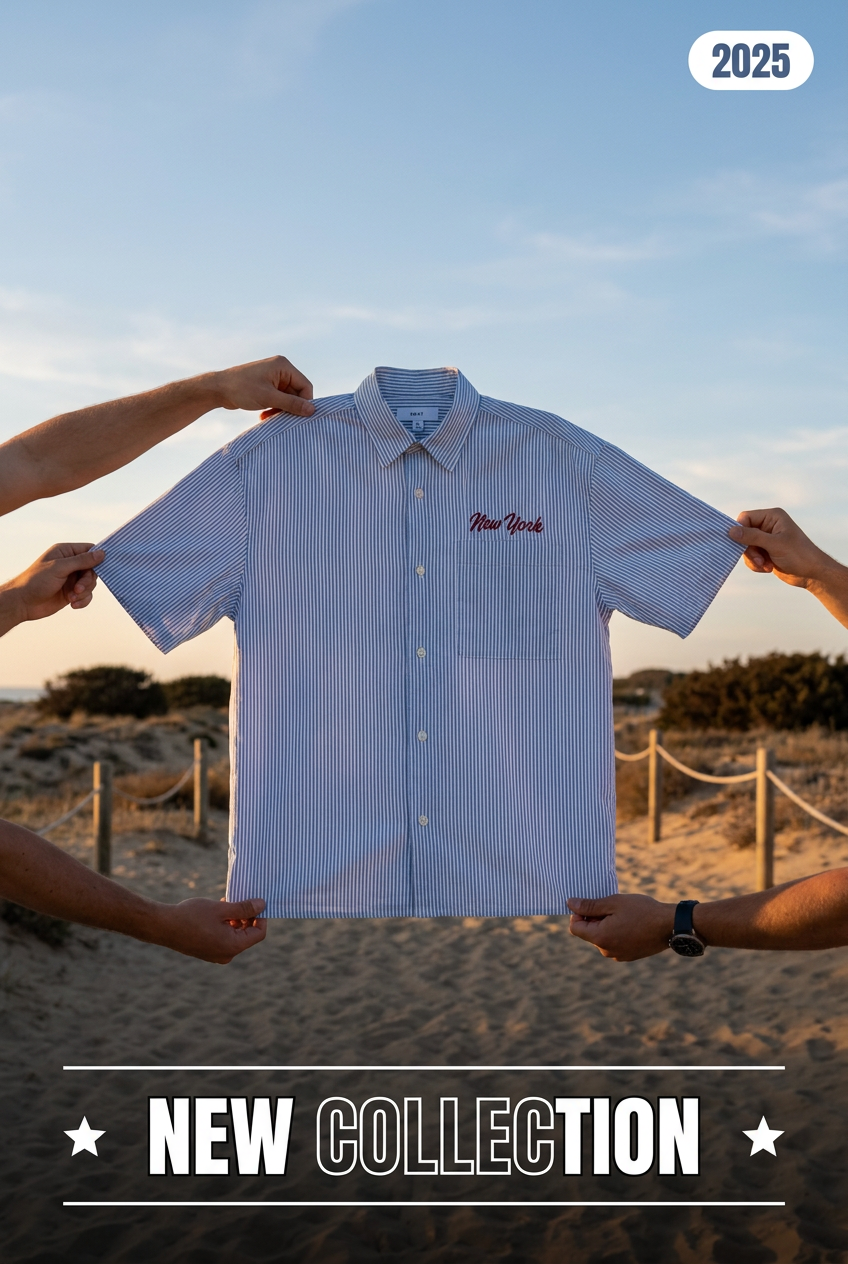
Suspends your apparel right in the center of a high-energy promo shot, held up by hands around the frame. It gives your shirts or jerseys a gritty, collaborative streetwear editorial look that feels alive and physical.
Regenerate using your own assets.
For a beverage company, use a workflow that excels at creating condensation, splashes, and vibrant colors.
Workflow code: #myup-cqnu-i50m
Drink Product Ad
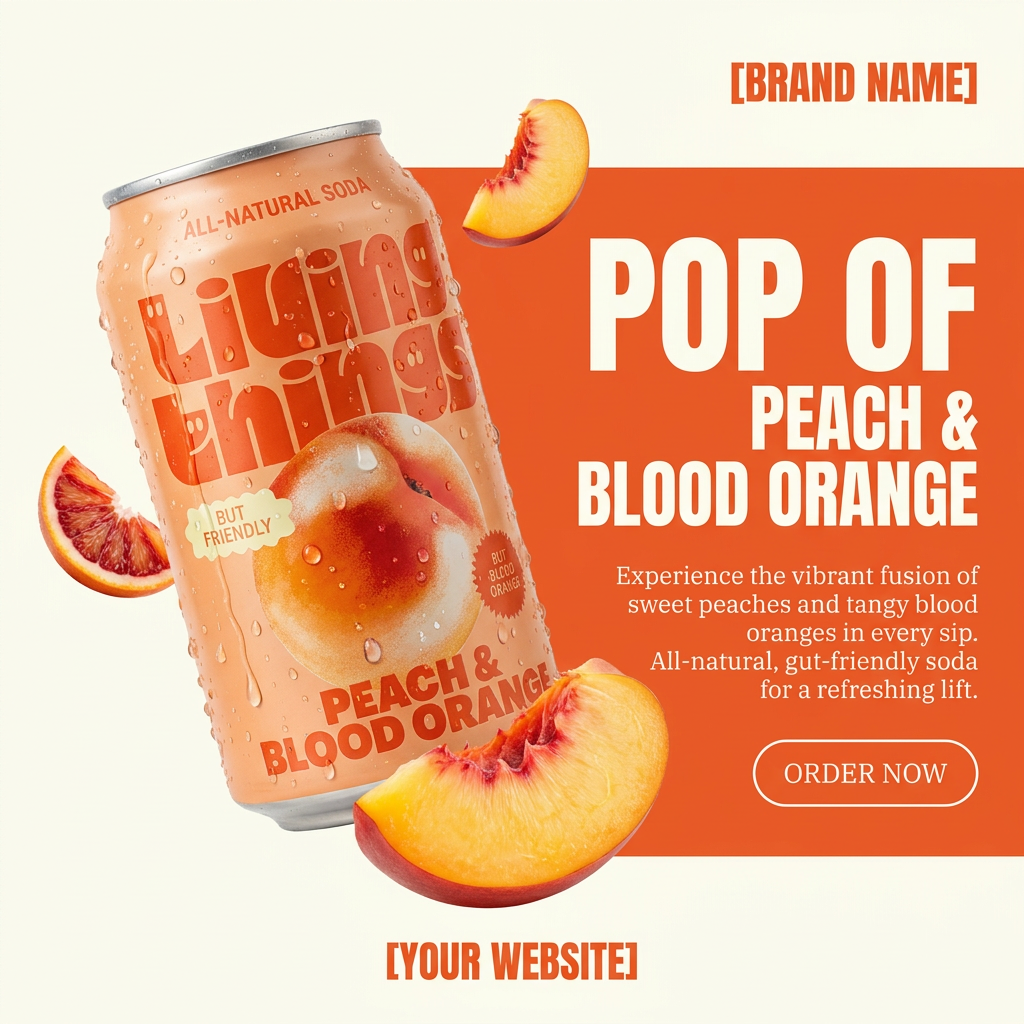
Turn any product photo into a bold, modern ad poster. It automatically frames your item against a split-color background, pairing a clean cream tone with a solid block of your product's dominant color. Super clean, minimal, and ready for social feeds.
Regenerate using your own assets.
This allows you to scale your testing methodology across your entire product catalog without sacrificing creative quality or context.
Step 4: Review, approve, and deploy
AI handles the production, but you—the marketer—handle the validation. MyUP generates the options based on your structured input, and then presents you with a gallery of on-brand, test-ready creatives. Your job is to review the results, discard any that don't quite hit the mark, and select the strongest contenders to deploy in your campaigns on Meta, TikTok, or Google.
Because the brand elements and product are consistent, you can confidently launch your tests knowing that any difference in performance (CTR, conversion rate) is due to the variables you intentionally changed. This workflow even adapts to high-end products where the details are critical. For luxury items like jewelry, a template focused on elegant lighting and materials is essential.
Workflow code: #myup-qtty-nngw
Jewerly Product Ad
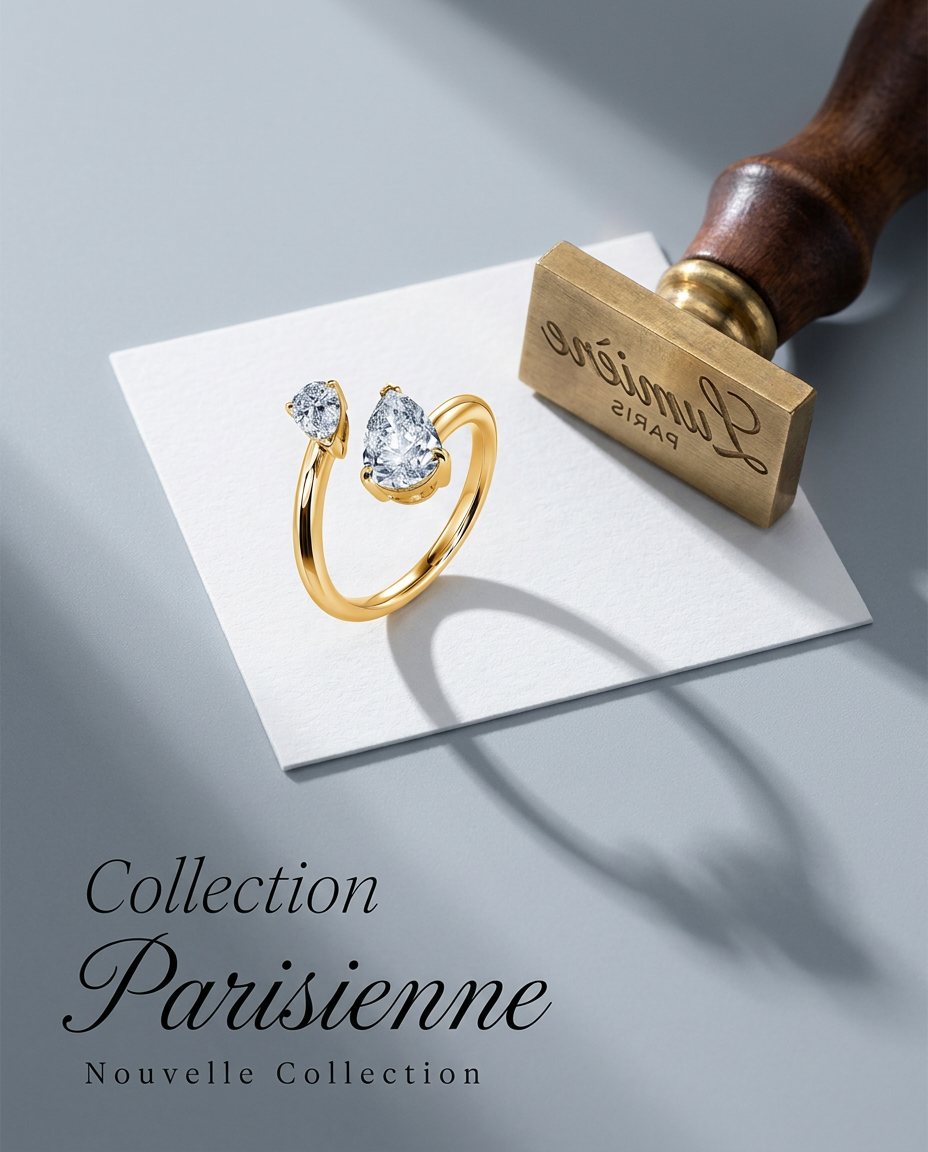
Turn any product into a high-end editorial shot. It drops your item into a clean, flat-lay setup with soft directional light and elegant long shadows against a cool matte gray background.
Regenerate using your own assets.
This final step closes the loop, turning a massive production task into a simple process of strategic selection. You get the scale of AI without sacrificing the human oversight that ensures quality.
From a slot machine to a testing engine
The new tools from Stability and Adobe are exciting because they validate a huge need in the market: scaling creative production. But they also risk amplifying bad habits. Generating hundreds of random, off-brand images is not a performance marketing strategy. It's creative chaos that pollutes your data and weakens your brand.
The future of AI in advertising isn't a better slot machine. It's a more efficient, repeatable testing engine. By building your ad creation process on a platform like MyUP, you get the best of both worlds: the speed and scale of AI production, guided by the strategic structure of a workflow and the locked-in consistency of a Brandkit. You stop guessing and start learning, which is the only way to build ads that actually convert.